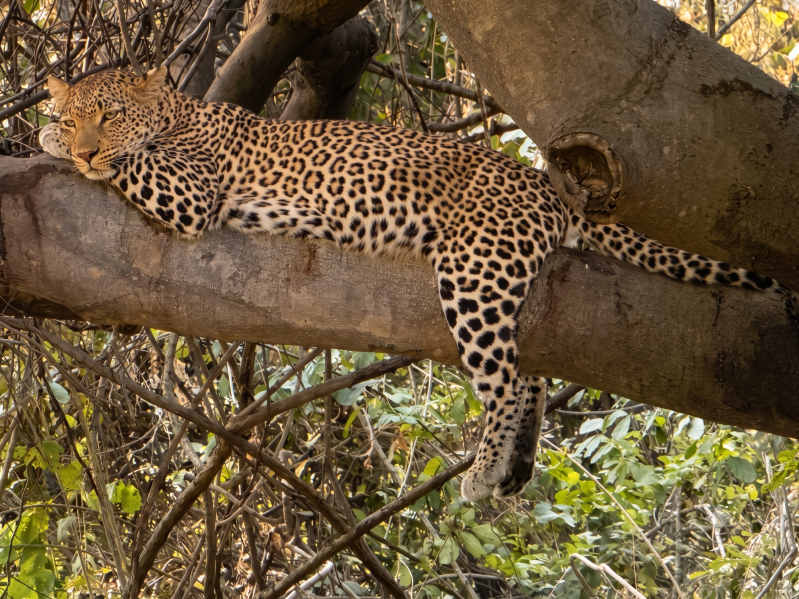
Photo of the week: Meet Mtima. Daughter of Olimba. So named because of the heart shaped birthmark visible on her left flank. Star of Kingdom.
Highlight of the week: Keith realises a lifetime dream. A low flight over the Luangwa with John Coppinger. Meant to be a present from me. In reality a thank you from John for caring for his Remote Africa staff.
Lowlight of the week: Keith breaks the scales. Perhaps one of his first patients, a grey chap with a very long nose is responsible (see photo)? The reality is more mundane - Keith’s running repairs to our scales sever the wires and allow us to focus ever more on waistlines.
Maximum temperature: 34 degrees Celsius.
Rainfall: Still waiting.
Fluency. The music between the words. The subtle nuances of language. The key to true communication. Essential. Yet elusive.
It’s 2021. One month before our first stint as Valley doctors in Zambia. We are determined to hit the ground running. Keith buys a book. Town Nyanja. Nyanja is closely related to Chichewa. The language of Malawi. Outside our linguistic repertoire. Within a month of arriving in Mfuwe, we knuckle down to Valley Nyanja lessons. Only to discover that Nyanja here is a very different language from Lusaka’s town Nyanja. We listen for echoes of our Valley Nyanja lessons in the clinic. On the street. In the park. We live in a Valley where 4 languages compete for ascendancy. Kunda, Nyanja, Bemba and English. Complexities of the language are too much for me. After just two Nyanja lessons, I surrender. Completely flummoxed. Keith keeps going.
It’s 1994. In Tanzania. A different story. 6 weeks of intensive Kiswahili education. Dawn to dusk. Homework. Homestays. A degree of fluency. A good understanding of grammar. Sentence structure. Vocabulary. To build on once we land in Zanzibar. Followed by 2 years of immersion. We are fluent. Even now we can almost think in Swahili. The language of the Lion King. The tongue of the Zanzibar archipelago. The place where Swahili was born. Where it is spoken, lived and breathed. Not an option for those who need to prosper in Tanzania. De rigeuer. Speak it or wither on the vine. Breathe it. Reflect it.
Back to the present. All we can decode in our valley is English and Bemba. Bemba is Swahili’s closest cousin. Nyanja is merely the local bridge. The shared language that lets people cross tribal boundaries and meet in the middle. English remains as a supplementary bridge that only links us with an educated minority. No good for connecting with the people who need our support the most. Many of my school essays followed the compare-and-contrast model. Old habits die hard. It still feels the most natural way for me to make sense of the world. Zambia and Zanzibar dance together in so many ways. Yet each has its own rhythm. Its own texture. Zambia counts in English. It also counts on English for trade, education and commerce. Ironically, even these so-called English numbers are, of course, Arabic. Tanzania feels different. Its own numbers. A stronger national identity. A single language that binds the country together. Zambia is wonderfully multilingual. But that richness comes at a price. So few people speak the language of the capital with any consistency. Frustratingly the most spoken language here is Kunda. Deeply coded. Rich with local meaning. The language of the Valley. It runs constant interference with our efforts to understand what people are saying. A language of connection more than conversation. A little like Esperanto. Widely understood. Rarely spoken in its purest form. Instead, every sentence is seasoned with Kunda. Peppered with Bemba. Coloured by the chameleon nature of Valley Nyanja.
Fluency still lies just beyond our grasp. Between us, we manage little more than the basics. Even AI struggles to capture the finer points. The idioms. The hidden meanings. So we muddle through. Smiling. Gesturing. And relying on the inevitable game of Chinese whispers that comes with every interpreter. While the linguistic codebreakers at Bletchley Park quietly wrestle with Nyanja, Keith is still plugging away. With his friend Pearson, he has even created health videos in Nyanja to leap the language barrier. Determined to challenge some of the Valley's most common health myths. We learnt in Zanzibar that the right words can change the way people think. And the way they live. We would love to have every shared decision in each person's own language. For now, that remains beyond us. But at least our Nyanja videos can carry the messages that matter most.
The locals slip effortlessly in and out of these blended languages. Hardly noticing the change. Sometimes, even the clinic staff pause to untangle a conversation. Five years on, I can still manage only a handful of greetings. A few symptoms. A smattering of words. Not nearly enough. Talking of words, one of my favourites is moviyas. It isn't English. It's a Valley invention. A wonderfully descriptive concoction. A word that needs almost no explanation. It simply does exactly what it says on the tin.
Once we hand over our doctor duties, we have a four-week window before flying home. Time to reignite our Stroke Prevention Programme. To travel far and wide. To reach the unreachable. The calendar opens with twenty-one empty days. A blank canvas. We wisely reserve the final week for a holiday. That leaves the rest to Keith. Master planner. Master optimist. My only request? A couple of free days. Time to catch up with the admin. And the sleep. Both long overdue.
Keith reaches out. The camps bite his hand off. Before long, every empty space on the calendar has disappeared. He has us travelling far and wide. Eight days in the far north. Even two nights in North Luangwa. Then back to Mfuwe. Not really a rest day. More a day for flying, driving, washing clothes and repacking. Then three days in the central area. Followed by seven days in the deep south. Three days left unbooked. Just in case. Then a flight to Lusaka. And finally, seven days of holiday. In all, we plan to visit fourteen camps. Hoping to see every member of staff while we're there. Around here, that's called being moviyas.
We are halfway through our season of being moviyas. The days have found their rhythm. Occasionally interrupted by a passing elephant. We awaken early. Breakfast arrives with the sunrise. The bush clinic is ready by 0700. We work our way through the staff. Greeting old friends from previous years. Making new ones. We measure. Height. Waist. Blood pressure. We compare today's numbers with yesterday's stories. We congratulate. We commiserate. We celebrate the victories. Smoking left behind. Less alcohol. Less salt. Smaller waistlines. One small step at a time.
Our message is spreading. But somewhere along the way, parts of it are still getting lost in translation. I see John. His systolic blood pressure is 190. I look back at last year's reading. It was 190 then too. We talk. He tells me he took the tablets we gave him. Until they ran out. He felt better. So he stopped. He is genuinely surprised that his blood pressure is still high.
No eye rolling. No head in hands. If the message hasn't landed, perhaps the messenger is to blame. Especially when John is not alone. It's all in the language. I speak only English. My words aren't woven into the local tapestry of Nyanja, Bemba and Kunda. So I try again. More simply. More directly. Start taking the tablets again. Before they run out, go back to your local clinic. Get some more. Keep taking them. Every day. Until I come back next year. Smiles. Nods. Every sign of understanding.
But this year we add another layer. We write a list for the local clinician. This camp is a long way from Kakumbi. Most of the staff come from nearby villages and use their local clinic. They do not have the time, the money, or the reason to drive three hours to our blood pressure clinic in Kakumbi. So we ask their clinician to follow them up instead. Perhaps if the message comes from two directions, it will finally find its mark.
Being moviyas is enormous fun. But it is also exhausting. We are lucky to spend more than one night in the same place. We live out of suitcases. Every camp has its own character. Its own rhythm. Its own welcome. Yet one thread runs through them all. Gratitude. Today someone thanked us simply for caring. It caught me by surprise. How can you spend a lifetime in medicine and not care?
Later, we reflect on those words. Through their eyes, they see two azungu doctors. Arriving at dawn. Working until dusk. Listening. Measuring. Encouraging. Following up. Being there. Through our eyes, life looks rather different. We spend our days beside the Luangwa River. We are fed. We are watered. Our clinics are occasionally interrupted by elephants. If we are lucky, there is even time for a game drive. We are retired now. Rich in time, if not in money. Privileged to be part of a community that gives us far more than we could ever give back.
Slowly, we see change. More understanding. Better choices. Healthier habits. Our project really is a win-win. And if, in the end, it prevents just one stroke. Or just one heart attack. Then every mile travelled will have been worth it.
The sun is setting. We have seen every member of staff in this camp. Tomorrow we move on. We will carry on being moviyas for another week or two. Nudging. Influencing. Listening. Understanding. Creating understanding. We scratch backs. And, in return, our own backs are scratched. That is how communities work. That is how trust grows.
Zambia 2026 already feels like a landmark year. We have created more than a programme. We have created a moment. A movement. Momentum. One conversation at a time. One blood pressure at a time. One life at a time. Strokes are being cancelled. And that is one form of cancel culture we can wholeheartedly celebrate.
Donating to “Reduce Stroke” - the clinic is now locally known as "Mcheri" meaning "Salt"
Dear supporter,
Thank you very much for considering donating to reducing the chance of heart attacks and strokes in South Luangwa. Project Luangwa has agreed to receive donations for this program and this can be done by bank transfer to UK bank (details below). If you are making a donation to this project, please add the notation Reduce Stroke to the payment, in order to help us track it. If you would also like to send an email to ian.macallan@projectluangwa.org then this will also be very helpful. If you are from outside the UK, please contact us directly and we will advise how best to send your donation.
Thanks again for your kind support.
Metro UK Bank Account Details
Metro Bank PLC
Account number: 21201928
Account Name: Project Luangwa
Sort code: 23-05-80
Swift code: MYMBGB2L
IBAN: GB88MYMB23058021201928
Bank Address:
Metro Bank Plc,
One Southampton Row,
London
WC1B 5HA
Recipient Address in UK:
Project Luangwa
George Fentham Meeting Room
Marsh Lane
Solihull
United Kingdom
B92 0AH
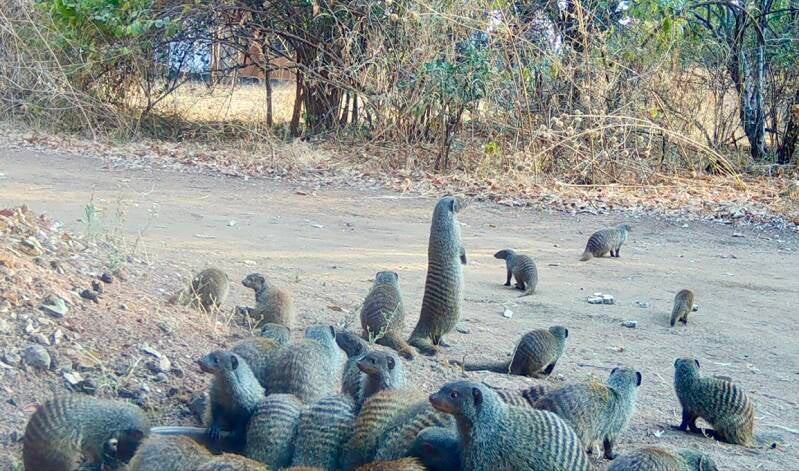
The remote cam back working again. These guys have finally found the water. They visit daily. They eat snakes. They are very welcome outside the house any day.
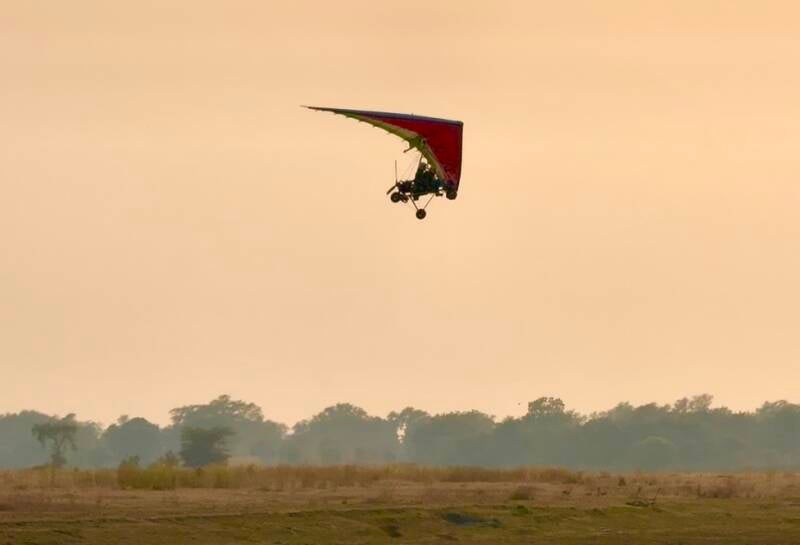
Keith doing a fly by. He is still on cloud nine despite his feet now being firmly on the ground.
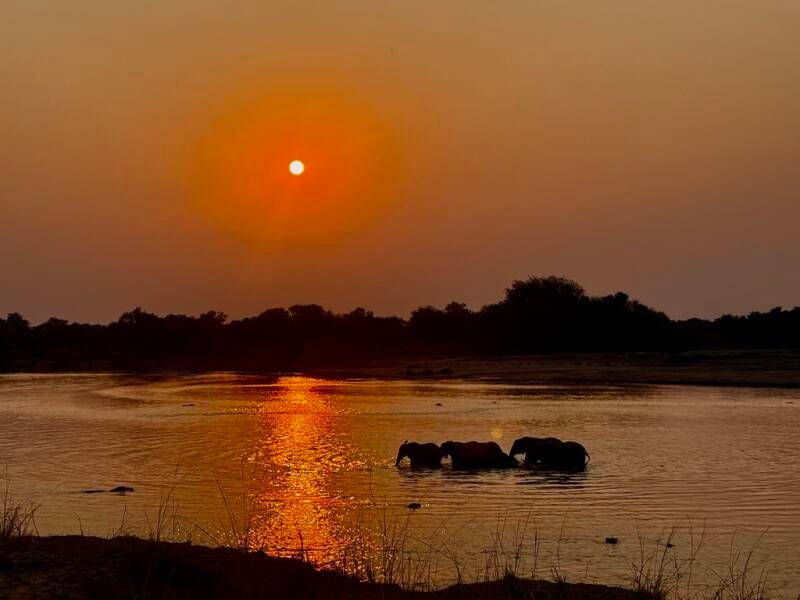
Elephants cross the river at sunset in search of better night time food supplies - from the villages.
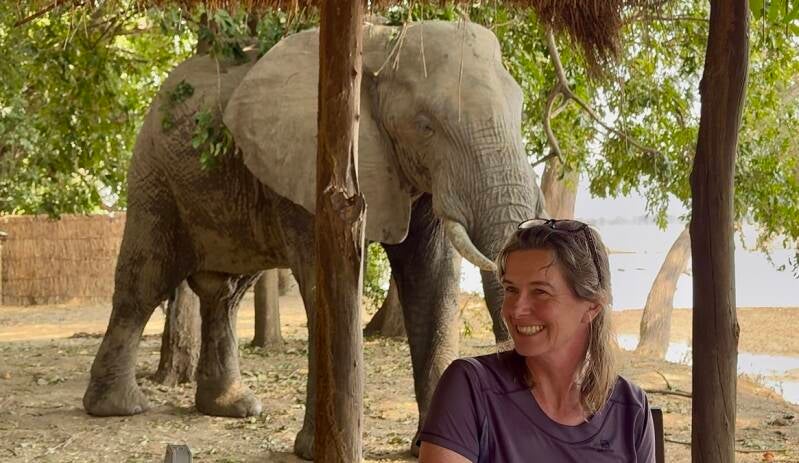
Our patients like to wait in line but this fellow jumped the queue. My elephant therapy is nearing completion.
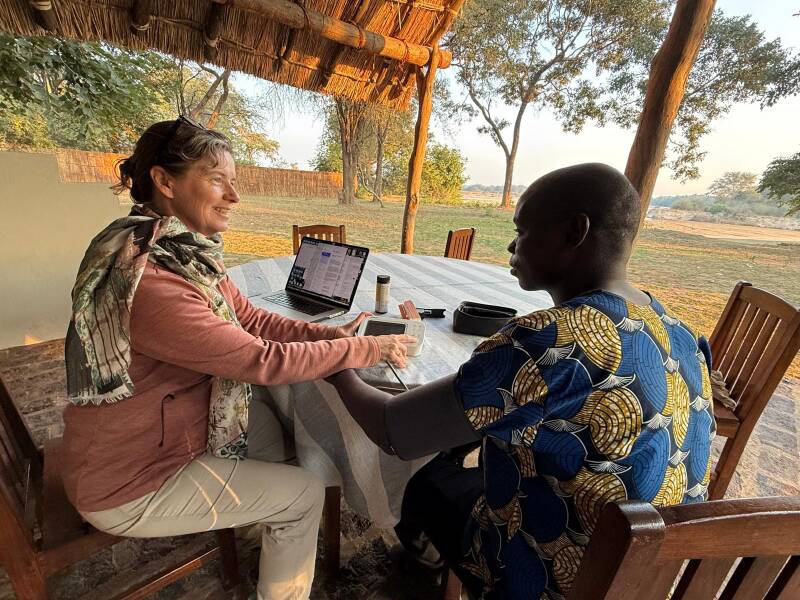
The remote clinics continue with a perfect back drop
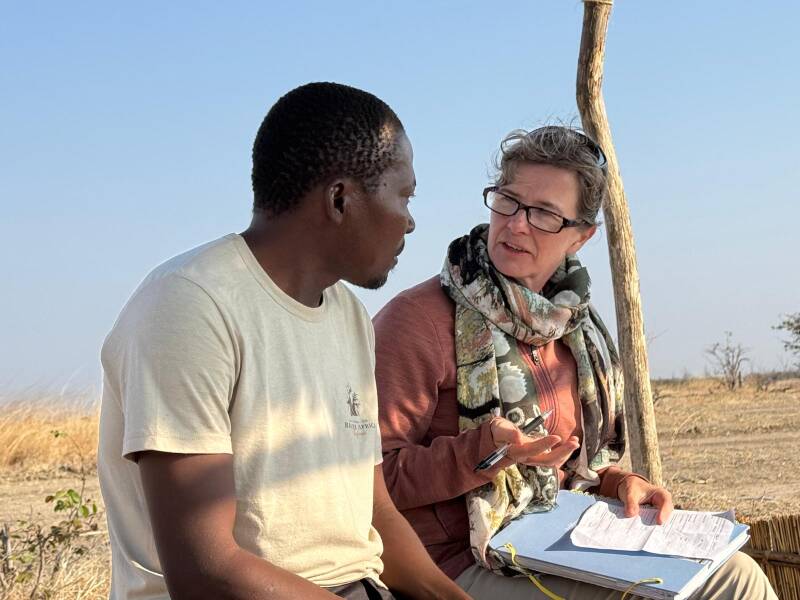
We even do consultations at the airstrip
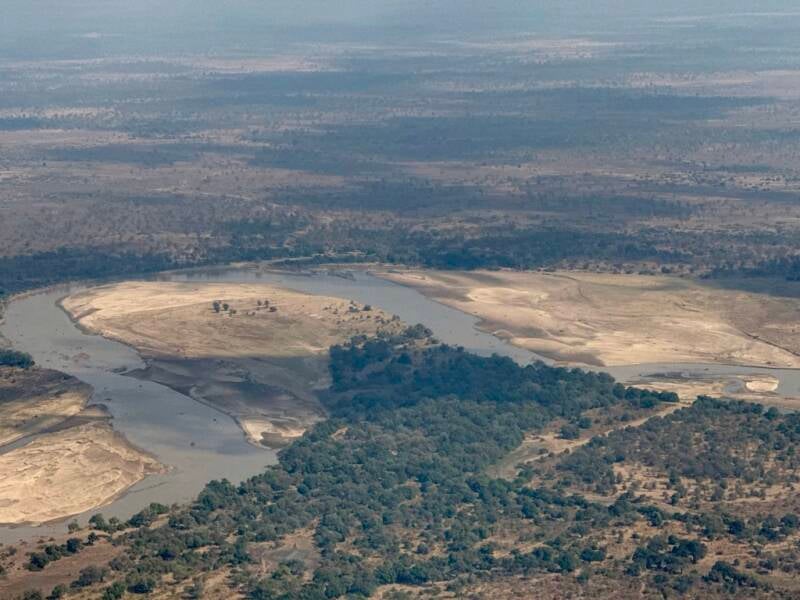
A 35 minute flight saves us a 6 hour bumpy car ride. Tafika from the air. Showing the microlight airstrip.
Add comment
Comments
You are making such a difference and the people of Luangwa are very lucky to have you in their lives 🥰
What a beautiful write-up and photos. Well done, so proud of you ❤️❤️❤️
Gosh what a hetic work load you two have, not a lot of sleep or downtime. The rewards are coming with your patience and the care given to so many. So pleased for you. xx
💕💕💕💕💕💕
Lovely pic of Mutima, a star of the Kingdom Series.
Incredible energy, dedication and creativity at every turn.
We were so pleased to meet you both while on safari in May.
Now, if Zambia only has the wisdom to ban trophy hunting.... Asante Sana.
Fantastic stuff Ginny and Keith. Your conversation with the blood pressure tabs chap made me smile. I had the same conversation with a lovely lady when her cholesterol levels had shot up again after having "finished the course of statins". She was a highly intelligent professional (and the practice manager's wife!), And we both spoke fluent English!
Moviyah life isn’t for the faint hearted! Sounds amazing though, the pic of uncle Keith’s flyby is epic 🔥