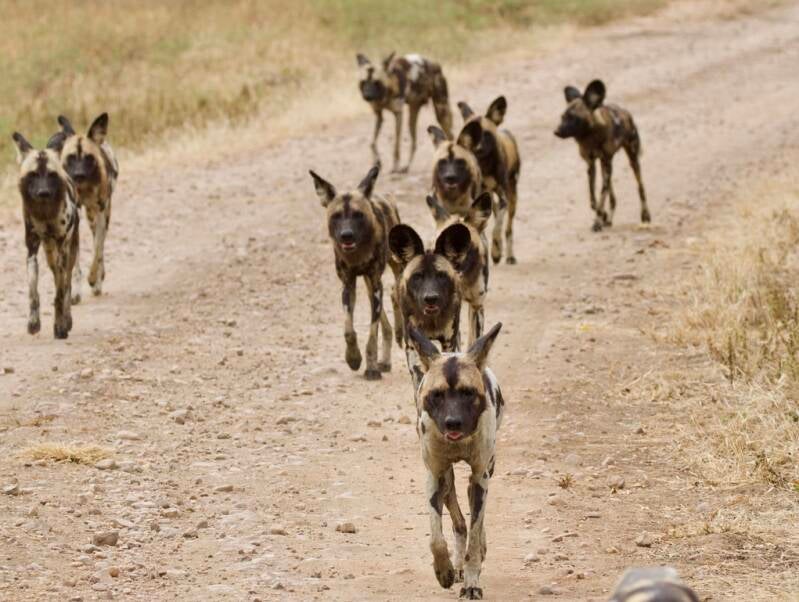
Photo of the week: The dogs come looking for us
Highlight of the week: Keith teaches about sickle cell disease at both Kakumbi and the district hospital
Lowlight of the week: Ginny is laid flat for 3 days. Cause unknown but rallying now
Maximum temperature: 34 degrees Celsius
Rainfall: A light sprinkling
Mchere, Mchere, Mchere. The chant taunts Keith, as he opens his laptop in September 2024. Salt, salt, salt. The seasoning greeting. Keith is sharing a video with the waiting crowd. His hypertension clinic is centred around realistic lifestyle changes. Keith offers a riposte: Pepper, vinegar, lemon. His video gives hypertensives the healthy choices. Seasoning for hypertensives is not a seasonal issue.
It's 2026. Each year passes in a flash. Through a well-recognised pattern. A bit disjointed by global warming. But a pattern none-the-less. In the UK, we have a cold Winter; a wet Spring; a hot Summer; a windy Autumn. Zambia has her own seasons. Less variety. Perhaps more predictable. A wet warm season; a dry cooler season; a hot dry season. This year some divine force has brought a surfeit of rain. As the floods abate we await the seasonal consequences. Not the UK seasonal flow of hay fever and asthma, bronchiolitis and flu. Not just a sprinkling of some mild seasoning. We are about to be hit with a heavy-handed shake of malaria. Somehow the lid of the shaker has come loose. A glut of malaria will drop onto our population.
Malaria season comes when the rain stops. The smaller streams and rivers dry up. Leaving large still areas of water. Big puddles. The Anopheles mosquito loves big puddles. A great location to lay its eggs. Undisturbed by flowing current. Plenty of nearby vegetation. Our local population move into the fields. Farming season is upon us. The journey from farm to home too long for a daily commute. So sleeping under a cover in the fields is common. Mosquito nets do not travel well. The female anopheles spots her chance. Blood meals needed to nurture her young. She lays hundreds of eggs. Malaria unwittingly picked up and passed along. Propagated through family and friends. Via the bite of a hungry skitter. Our parasite foe needs 10 days in the mosquito. Before an Alien-style metamorphosis. The new deadly form ready to hop into our blood. In no time each female skitter is ready to spread the deadly seed. Unevenly, according to the shake of the shaker.
We have malaria year round in the valley. But it is spiking just now. Last week we had 80 confirmed cases in our clinic. By the start of June we expect to have over 200 cases per week. Much of the year we are looking for a needle in a haystack. A different fever needing a different approach. My viral URI mantra no help here. Deadly parasites need modern cures. Not masterly inactivity.
But now I am shooting fish in a barrel. Malaria symptoms often straight forward. Fever. Headache. Lethargy. Body pains. No appetite. Easy to describe. Easy to spot in a grown-up. But little people have no words. Their mums can guess: A headache? Body pains? More obvious with: The vomiting. The runs. More apparent, but not consistent. And yet: The coughs. The runny noses. Not entirely reassuring. To be sure I test.
The test of time less useful here. Plasmodium falciparum waits for no man. The brain its favourite lair. Cerebral malaria my fear. Fast and furious. Today I have RDTs. Rapid diagnostic tests. A lateral flow that rarely errs. A drop of blood well invested. A positive result no big deal. Six easy oral doses and our foe is flattened. No need to flap. I count and move on. The notification routine.
Under-fives always a worry. No history. No immunity. All their reserves pumped into growth. Wordless, they depend on all knowing mothers. And grandmothers. Advocates who need to press the right buttons. To say the right words. To the right people. The test crucial. Without testing: death all too common. Ninety per cent of malaria deaths hit under 5s.
But this year things are all change. We have a new weapon. Straight from an Oxford lab. The laboratory responsible for one of the COVID vaccines. We now have a malaria vaccine. Supplied to Zambia by GAVI and UNICEF. Free of charge. To work alongside mosquito nets and the spraying of houses and communities.
Our under 5 clinics are as busy as ever. Already providing vaccines at 2, 3, 4, 9 and 18 months. For all children. The new malaria vaccine is given at 6, 7, 8 and 18 months. Sadly, it does not tie in with the other childhood vaccines. So each child gets a jab most months.
The staff numbers are the same. But the clinics take longer. More paperwork to record in log books. More dates on under 5 cards. And more jabs jabbed.
The malaria vaccination programme started just as we left the valley in October last year. Predicted to prevent 70% of childhood malaria the jabs offer the possibility of wiping out severe malaria and death in under 5s. Our toddlers are the first to be fully protected with 3 vaccines. The booster vaccine starts in October 2026. Malaria won’t go way just yet. But at least our little dots will have defence.
Over-seasoning of childhood with malaria might become history. Meanwhile, we continue to immunise our community against the over-seasoning of their food with salt. Low sodium salt is not yet a reality in this recess of Zambia. But at least the new knowledge of the harms of table salt can be peppered onto peoples’ plates to move them from season to season.
Donating to “Reduce Stroke” - the clinic is now locally known as "Mcheri" meaning "Salt"
Dear supporter,
Thank you very much for considering donating to reducing the chance of heart attacks and strokes in South Luangwa. Project Luangwa has agreed to receive donations for this program and this can be done by bank transfer to UK bank (details below). If you are making a donation to this project, please add the notation Reduce Stroke to the payment, in order to help us track it. If you would also like to send an email to ian.macallan@projectluangwa.org then this will also be very helpful. If you are from outside the UK, please contact us directly and we will advise how best to send your donation.
Thanks again for your kind support.
Metro UK Bank Account Details
Metro Bank PLC
Account number: 21201928
Account Name: Project Luangwa
Sort code: 23-05-80
Swift code: MYMBGB2L
IBAN: GB88MYMB23058021201928
Bank Address:
Metro Bank Plc,
One Southampton Row,
London
WC1B 5HA
Recipient Address in UK:
Project Luangwa
George Fentham Meeting Room
Marsh Lane
Solihull
United Kingdom
B92 0AH
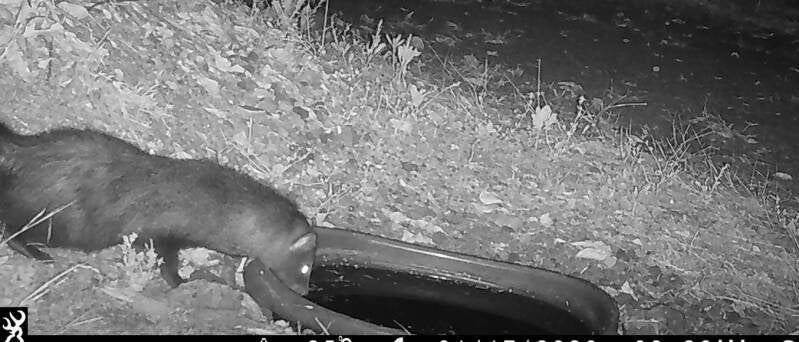
Trail cam photo of the week: A bushy tailed mongoose gets thirsty at night
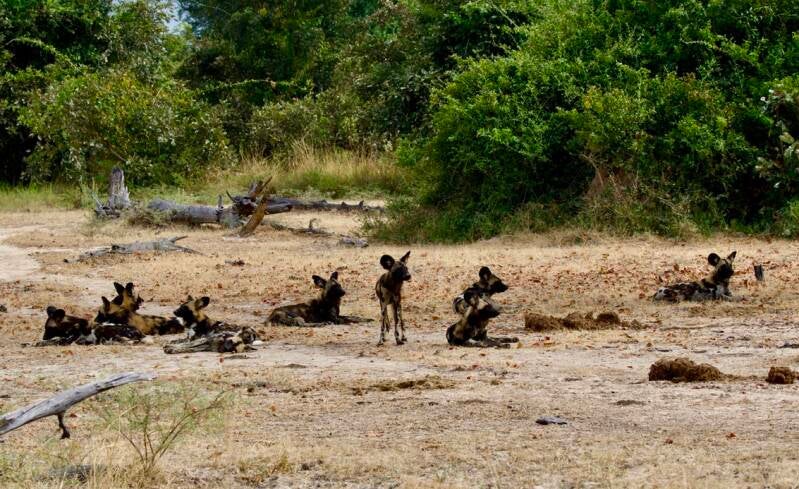
The dogs settle down in the shade
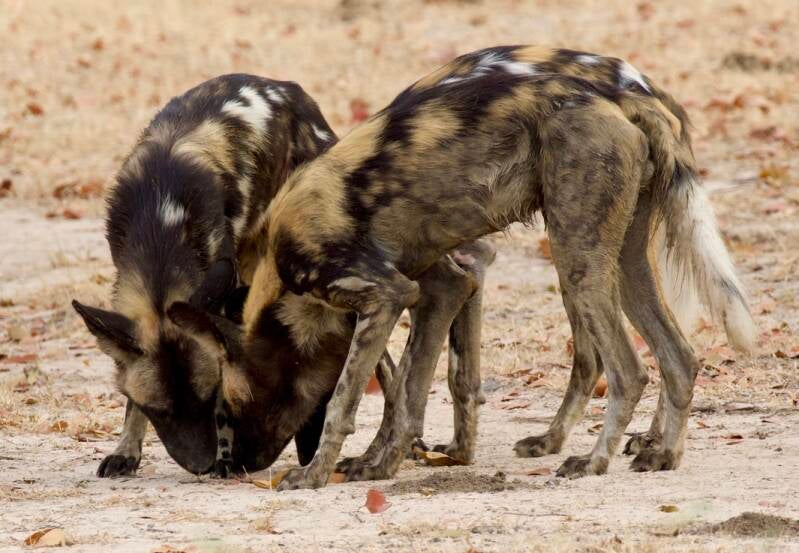
Something smells good here
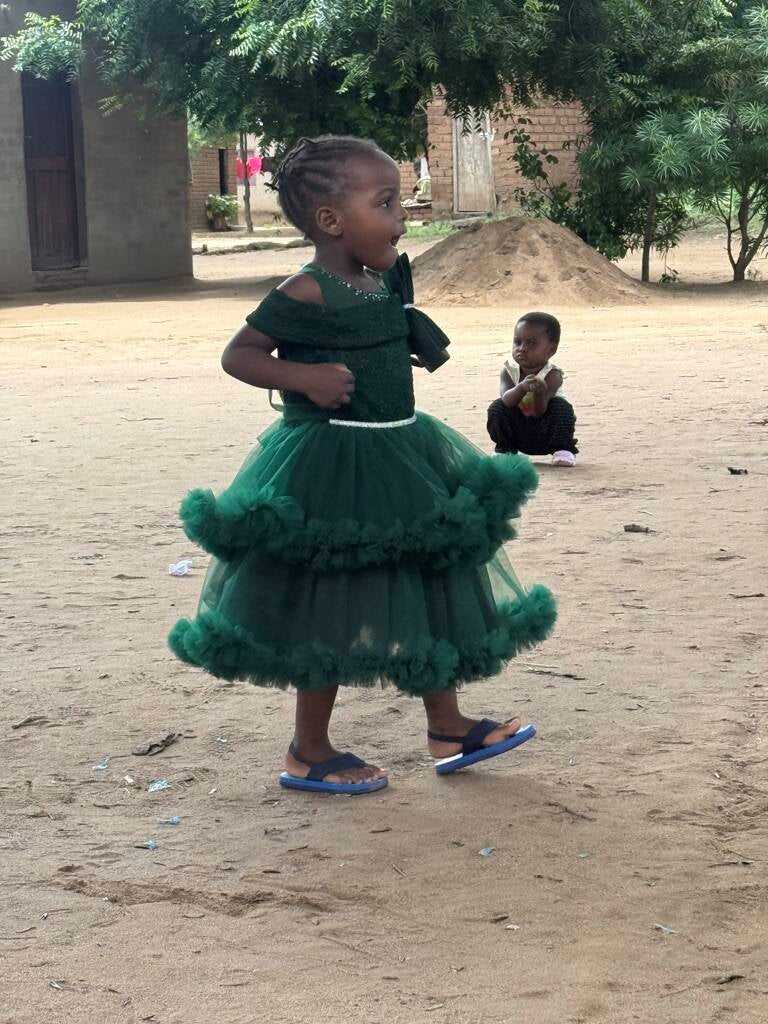
All dressed up for clinic
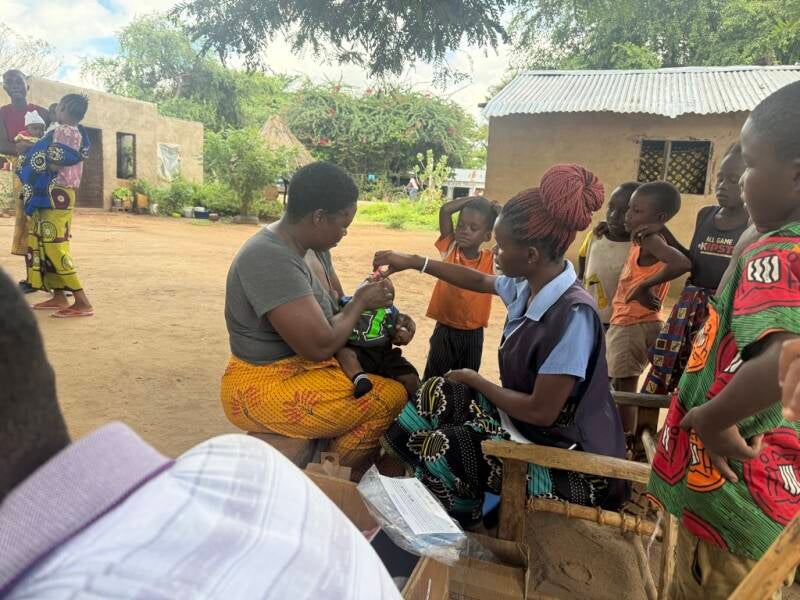
An audience for vaccination time
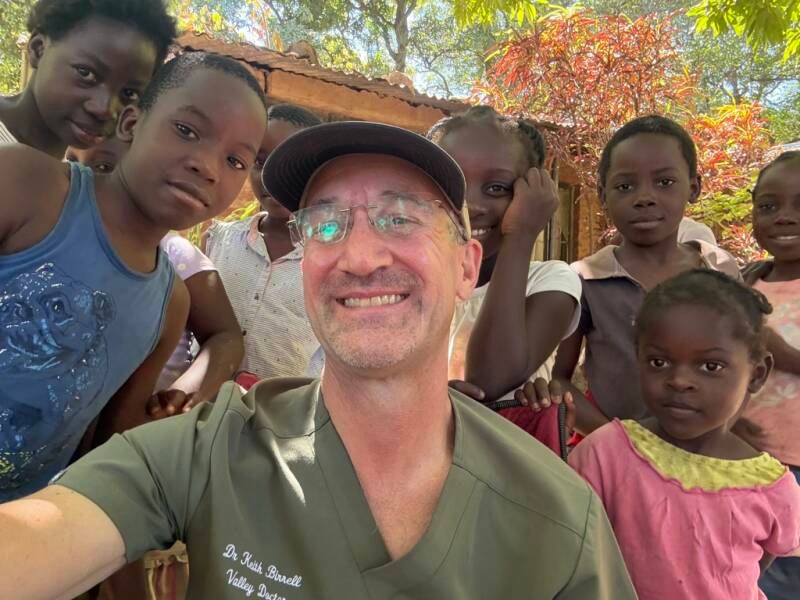
Children love an Mzungu at the tree clinics
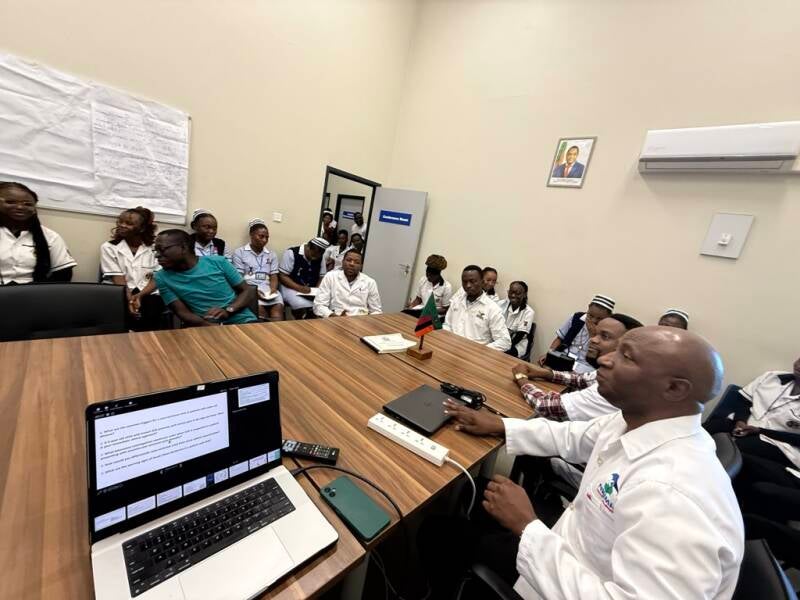
Standing room only for sickle Cell Disease
Add comment
Comments
Hello Keith and Ginny- reading your blog is fast becoming a favorite saturday morning ritual over a cup of cofee.
Hope Ginny is well.
Thanks so much for highlighting the deadly nature of P Falciparum that is prevalent there.
Such amazing work you both do- stroke prevention, promoting healthy meal (and seasoning) choices, vaccinations, sickle cell which Blacks are more susceptible to etc etc.
We enjoyed so much meeting you both and also enjoyed an hour with a resting pack of 14 painted dogs with our guide in a remote area of the bush. Priceless.
Much Love,
Ravi and Selina
Great reading, your doing such a wonderful job we're up for supporting your projects. Hope Ginny is feeling better.
I hope you are feeling better Ginny, we need our weekly newsletter xx
Hope you’re feeling better Auntie Lou (I’m sure you are by now)! The green dress pic is so cute